June 12, 2026
Revolutionizing Web Development: The Rise of Edge Computing
Introduction
The way we design and interact with web applications is undergoing a significant transformation. With the proliferation of Internet of Things (IoT) devices, real-time data processing, and low-latency requirements, traditional cloud-centric architectures are no longer sufficient. This is where edge computing comes into play, enabling faster, more efficient, and more reliable web development architectures.
What is Edge Computing?
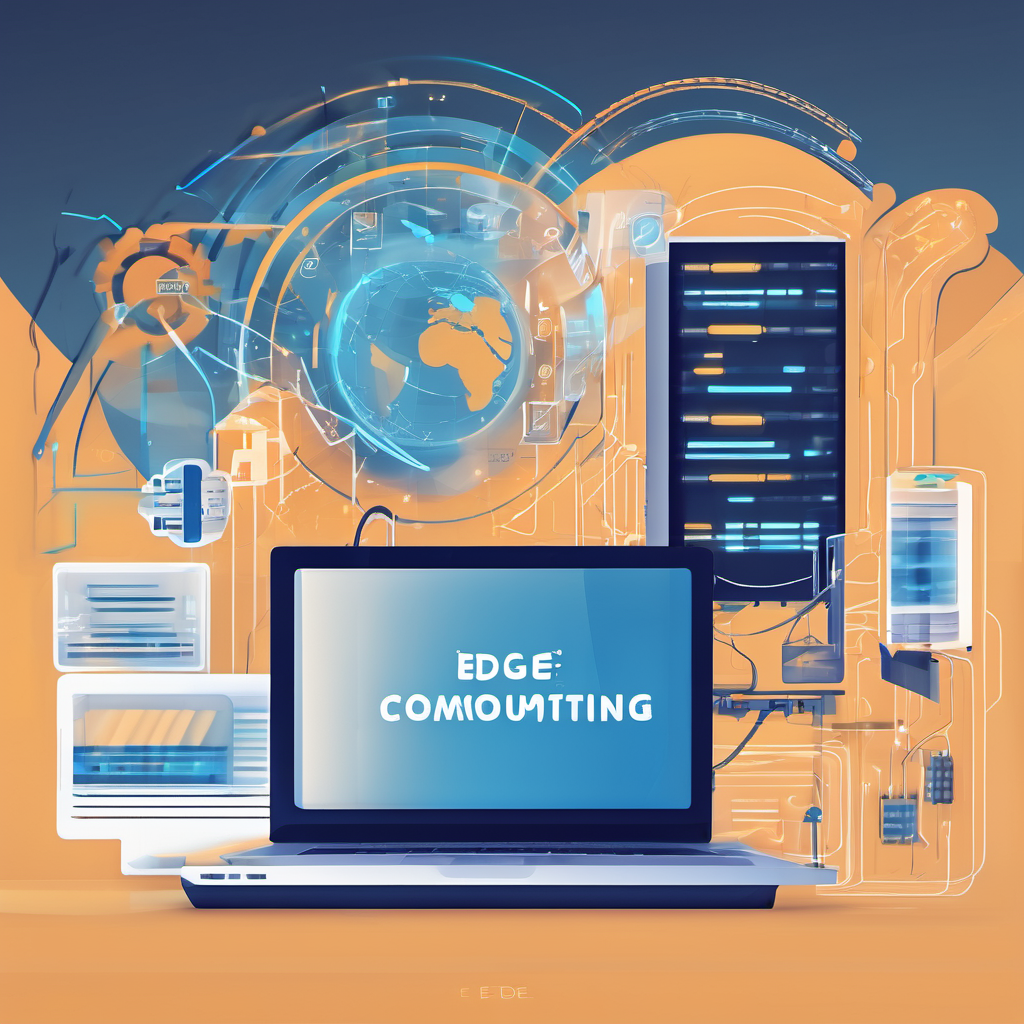
Edge computing refers to the practice of processing data at the edge of the network, i.e., closer to the source of the data. This approach reduces the amount of data that needs to be transmitted to the cloud or a central server, resulting in lower latency, improved performance, and enhanced security. By processing data in real-time, edge computing enables applications to respond quickly to changing conditions, making it ideal for use cases such as:
- IoT sensor data processing: Edge computing can process data from IoT sensors in real-time, enabling applications to respond quickly to changing conditions.
- Autonomous vehicles: Edge computing can process data from sensors and cameras in real-time, enabling vehicles to make quick decisions and respond to their environment.
- Smart homes and cities: Edge computing can process data from various sensors and devices, enabling smart homes and cities to respond quickly to changing conditions and optimize resource allocation.
Benefits of Edge Computing
The benefits of edge computing are numerous, including:
- Reduced latency: By processing data closer to the source, edge computing reduces the time it takes for data to travel to the cloud or central server and back.
- Improved performance: Edge computing enables applications to respond quickly to changing conditions, improving overall performance and user experience.
- Enhanced security: By processing data at the edge, edge computing reduces the amount of data that needs to be transmitted, minimizing the risk of data breaches and cyber attacks.
- Increased scalability: Edge computing enables applications to scale more efficiently, as data is processed closer to the source, reducing the load on central servers.
Challenges and Limitations
While edge computing offers numerous benefits, there are also challenges and limitations to consider, including:
- Complexity: Edge computing requires a high degree of complexity, as data needs to be processed and analyzed in real-time.
- Security: Edge computing introduces new security risks, as data is processed and stored at the edge of the network.
- Interoperability: Edge computing requires interoperability between different devices and systems, which can be a challenge.
Conclusion
In conclusion, edge computing is revolutionizing the way we design and interact with web applications. By processing data at the edge of the network, edge computing enables faster, more efficient, and more reliable web development architectures. As the demand for real-time data processing and low-latency applications continues to grow, the importance of edge computing will only continue to increase. Whether you're a web developer, IT professional, or business leader, it's essential to understand the benefits and challenges of edge computing and how it can be applied to your organization.